
Wind Power

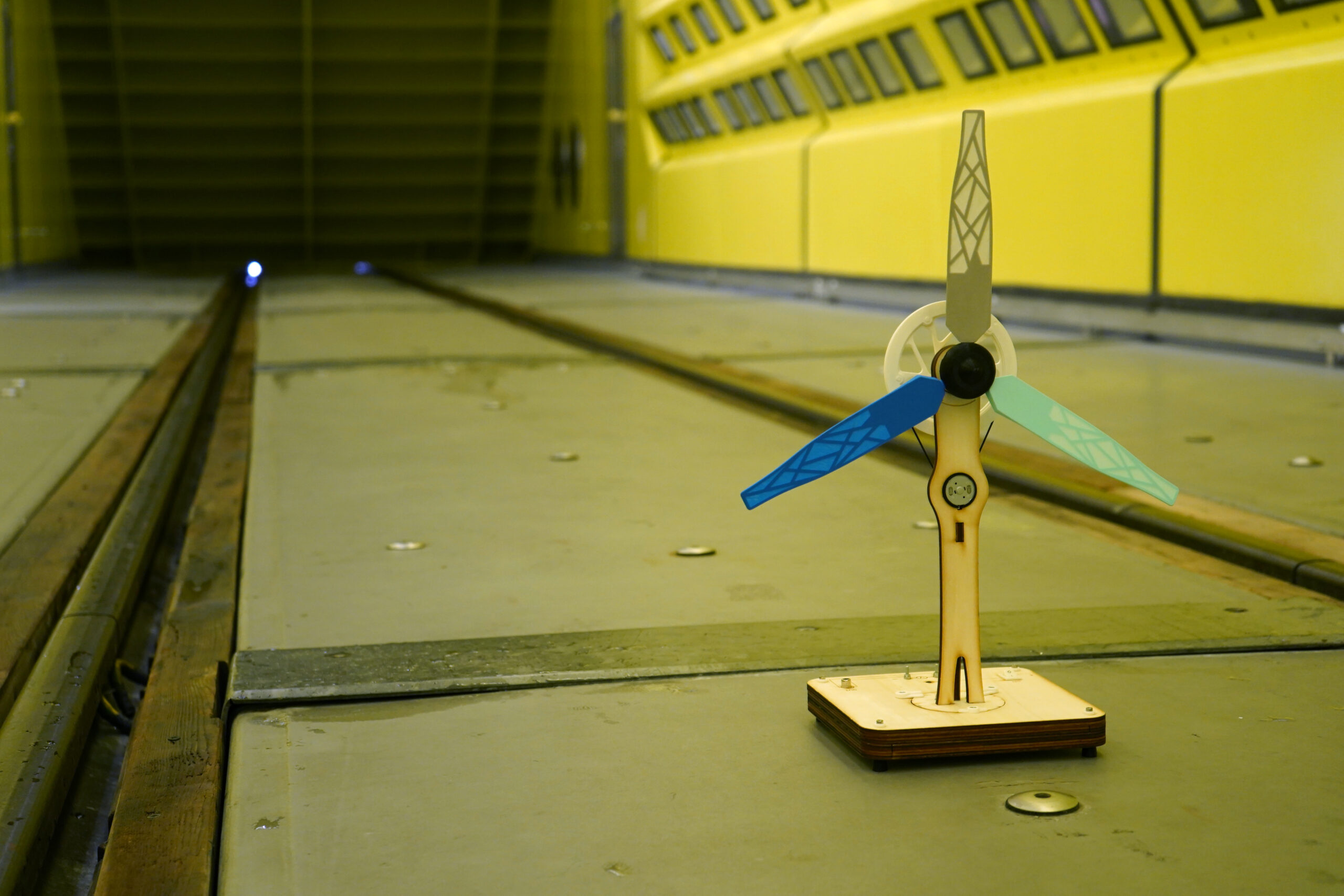
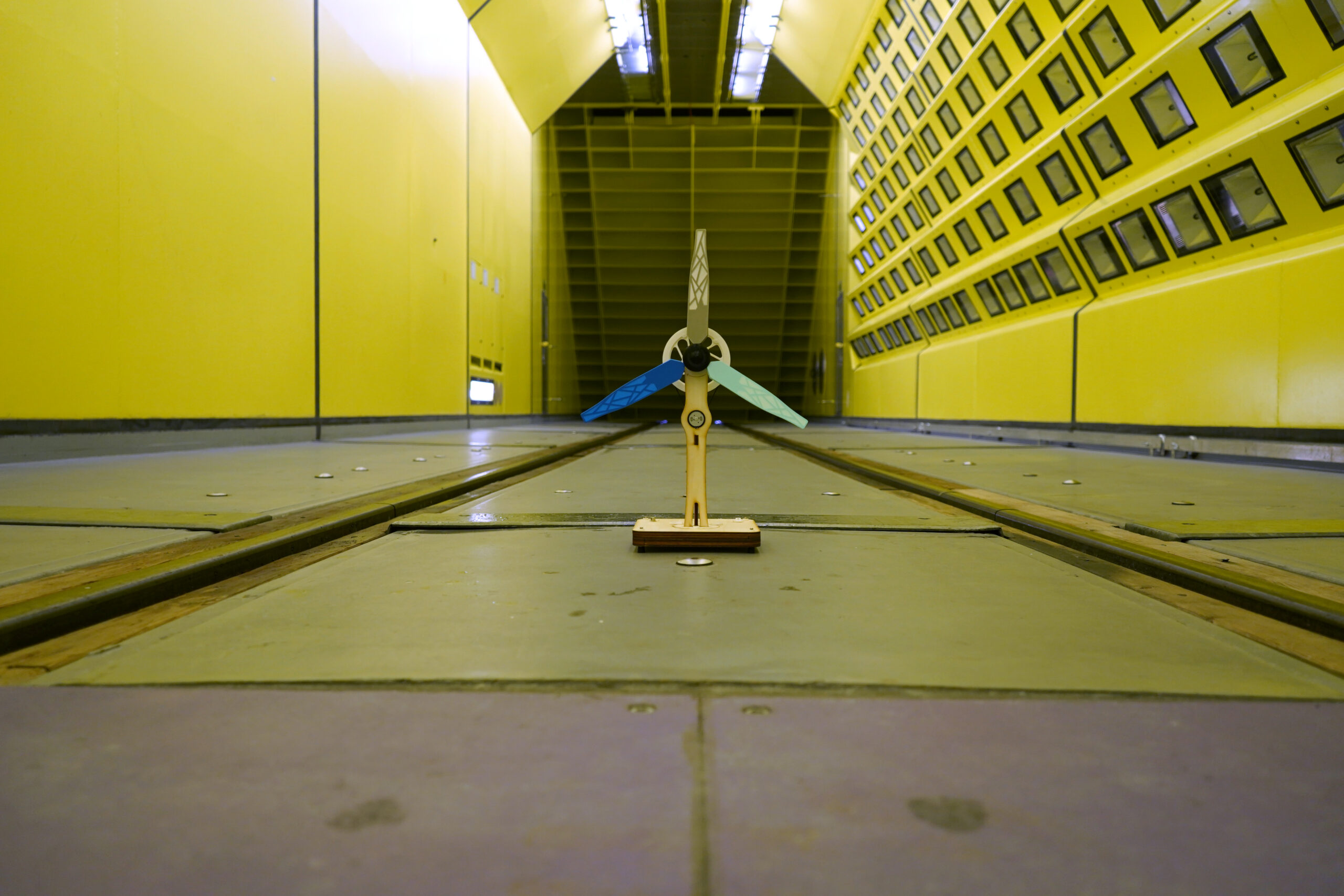
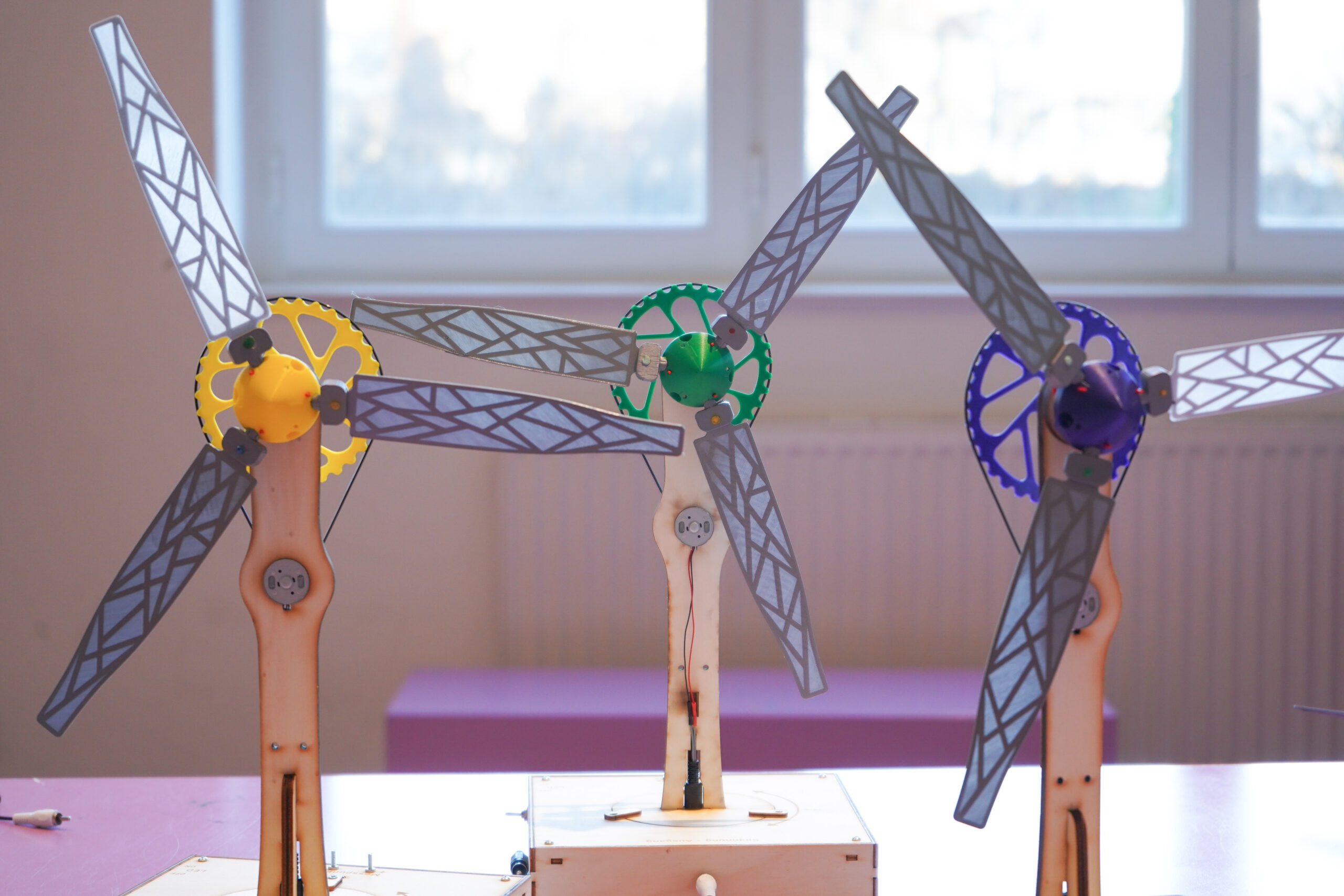
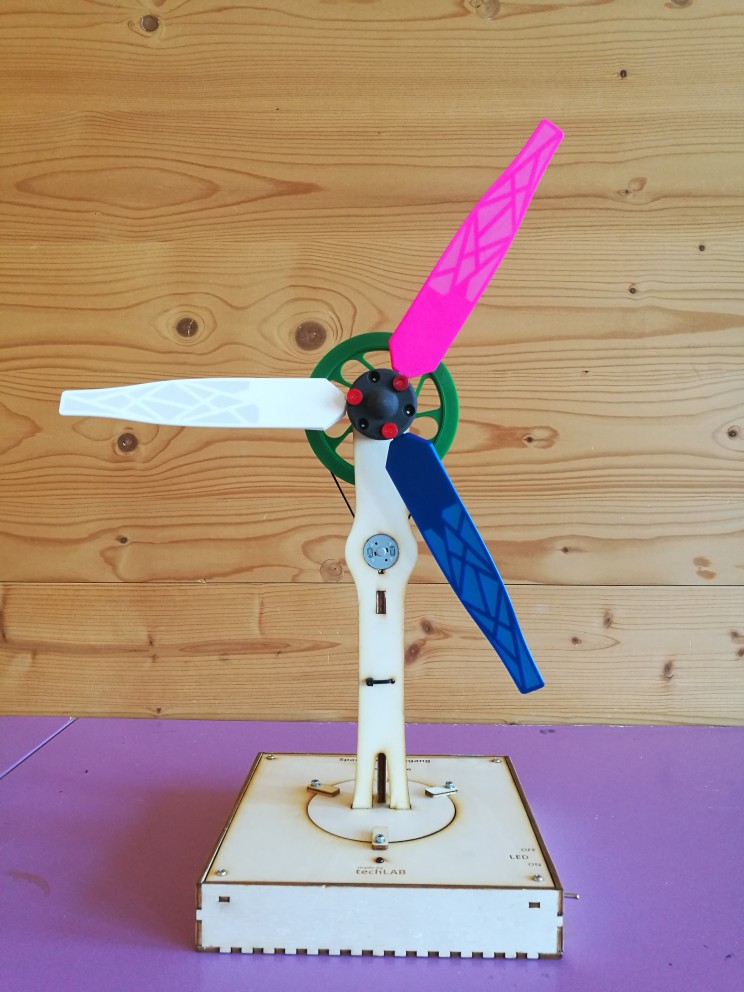
This windpowered turbine is the result of an interregio project between the city of Vienna and Bratislave, more precisely the Technische Museum Wien and Aurelium science space in Bratislava.

  • schwer
  • 10 Std. 0 Min.
gespeichert am, 30. Sep.. 2026

The project is hostet by EU and guided by EIT Manufacturing.

Download Production Files

Hier findest du alle .STL und .SVG Dateien um das Windrad zu fertigen. Montageanleitung und weitere Informationen zum Betrieb findest du in den .PDF Dateien.

Material

Partslist here:
Kleinteile laut Teileliste (.PDF)

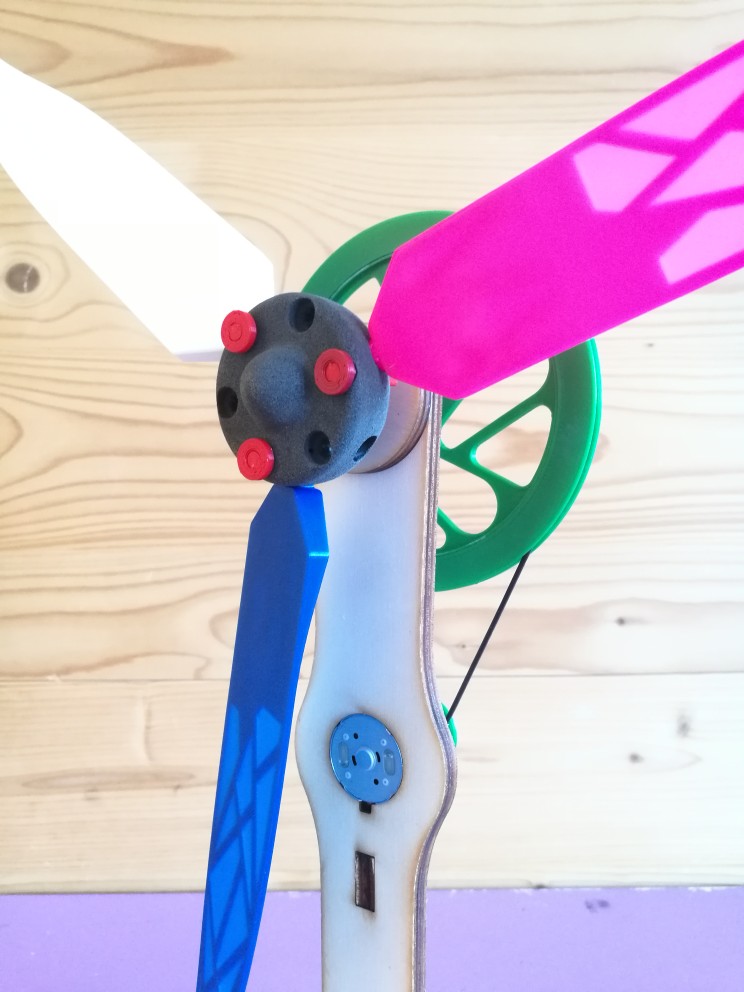
Your extra choice: Design of new rotorblades using prepaired .STL file „PLA_Rotor_Mount“.

Technologien

Du benötigst folgende Technologien:

Toolslist:

  • Innensechskant-Schlüssel
  • Gabelschlüssel
  • Spitzzange
  • Cutter-Messer
  • Lötstation
  • Multimeter


Renewable Energy: Wind Power

►    Welcome to the Wind Power Laboratory
Our devices are fueled by energy and electricity. Machines used to run on movement energy (kinetic energy) harvested by steam from burning coal, today the same process most often powers electrical generators, which transform kinetic energy into electricity via electromagnetic induction. That process, explained very simply, works like this: when a copper coil spins in the magnetic field of two magnets, this change creates voltage in the coils, which we call electromagnetic induction.
►    What makes energy „renewable“?
In fossil fuel plants, a resource that occurs in limited amounts on planet earth (like oil or coal) is burned once to create energy or electricity, therefore a constant supply of this resource needs to be available to keep energy infrastructure productive. In renewable energies, an unlimited source of energy (like kinetic energy from wind or water, or solar energy) is harnessed to produce electricity throughout the entire lifetime of the infrastructure (like a windmill or water dam, which commonly last decades). Besides the resource limitation, burning matter for energy for two centuries has been the biggest contributor to air pollution and the instigator for the rise of global temperatures, with all its far ranging effects on life and the planet. Reliance on non-renewable energy sources therefore constitutes one of the defining problems of the 21st century.
►    How has electricity use changed?
In Austria, between 1970 and 2024, the total consumption of electricity has tripled. Why? We already mentioned that machines that used to be powered by fossil energy are being transitioned to electrical energy, that includes industrial machinery and public transport and still makes up the bulk of electricity usage, but the biggest increase in demand stems from the rise of computers and other electrical devices in private homes and the service sector.
►    Energy efficiency and electricity use
Inside every electronic device there are hardware components, which use the electricity supplied to them depending on the task the device should fulfill, be that turning a water pump in my washing machine or lighting up the individual lights in a smartphone display. The working together of the hardware components can be optimized in radically different ways, for example for performance, longevity or speed (example: Gaming Console vs Hiking GPS device), which impacts the amount of electricity it consumes. Generally speaking, there has been a tendency towards stronger processors and brighter, higher resolution displays, which pushes performance and therefore, electricity consumption.

►    How much electricity does a windmill provide?
The maximum capacity for wind generators to produce electricity is stated as „nominal output“, but this value is almost never reached in practice. Due to the fluctuating nature of wind they can’t solely support a whole city without some kind of battery. That said, as a thought experiment: If we divided the daily energy demand of Vienna with the nominal output of common wind generators, it would take roughly 200 of them to power up Vienna!

►    How is electricity measured?
A handy tool for measuring electricity is called a Multimeter! It shows two important but distinct variables of electricity:

Voltage (Volt): electrical pressure – the pressure that pushes electrons through a circuit
Current (Ampere): flow rate of electricity – how many electrons are moving through the circuit

We are going to first and foremost measure the Voltage produced by our wind generators.

Finale

txt

►    About the design of wind turbines
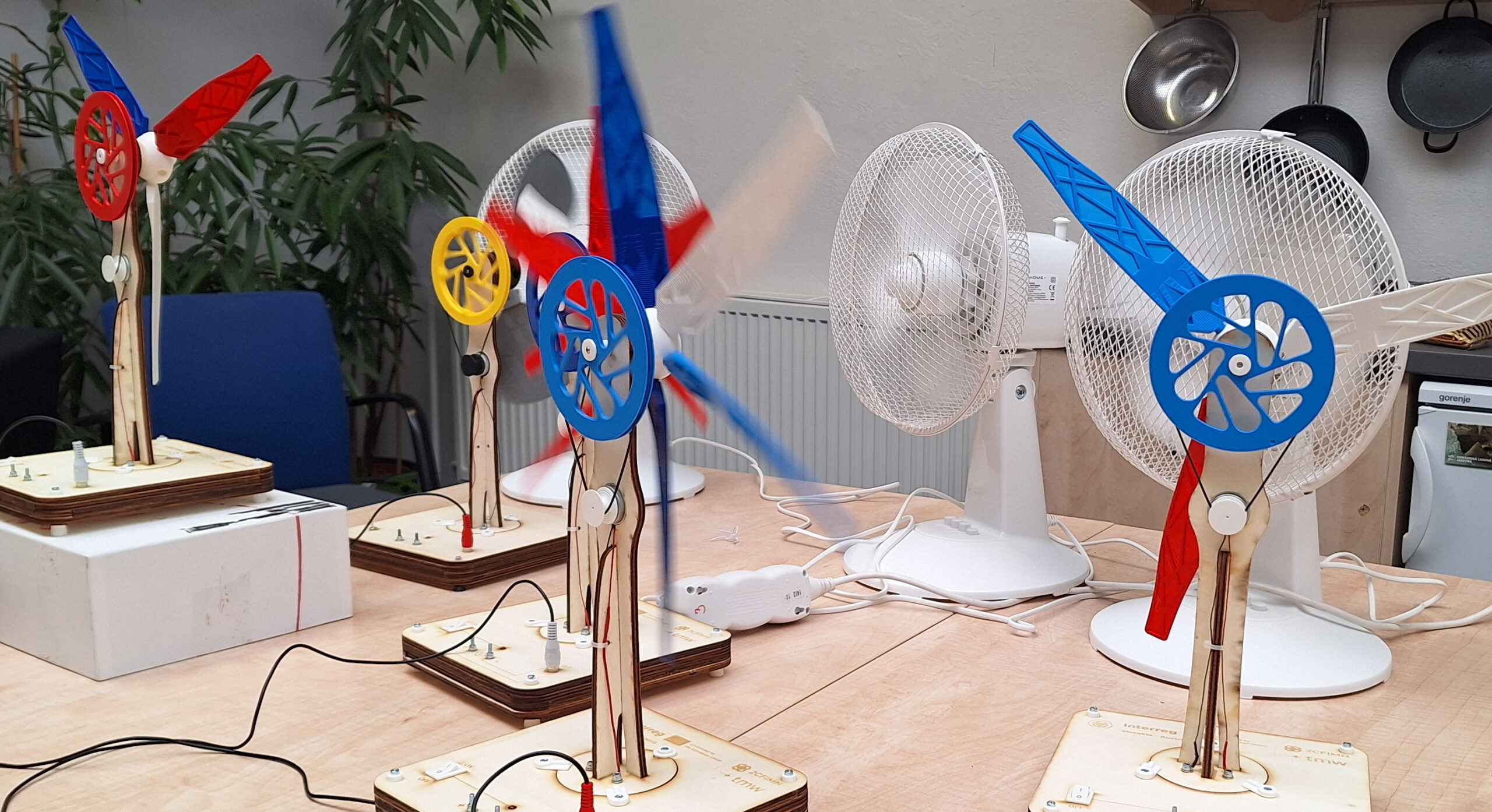
In order to propel the generator, the wings of the turbine need to reach a certain speed. It’s not necessarily important for them to look a specific way, the important thing is that they are turning fast and consistently. Therefore, a large variety of wind turbines exist in all shapes and sizes depending on the specific location and purpose of use. Most of them do have a transmission system, which helps increase the speed of rotation for the generator. Its important that all parts run smoothly, and that the system isn’t too asymmetrical. Let’s get to building our own!

Juhu, geschafft!

Cooles Projekt?

Teile es jetzt.
Link kopieren